Why Moldy Carpet Padding Often Causes More Trouble Than the Fibers Above
When moisture finds its way into a carpet, most people first notice the discoloration and smell on the surface. But the real problem often hides underneath. The padding between the carpet and the subfloor can hold onto water and contamination long after the carpet fibers have dried. This is why moldy carpet cleaning is rarely as simple as shampooing the top layer. Understanding the difference between the padding and the fibers helps homeowners and property managers make smarter decisions about what can be saved and what must go.
How Carpet Padding Differs from Carpet Fibers
Carpet fibers are designed to resist stains, repel liquids to some degree, and dry relatively quickly. Most modern carpets are made from synthetic materials like nylon, polyester, or polypropylene. These fibers do not absorb water the way natural fibers do. When they get wet, the water sits on the surface and can be extracted with a good vacuum or wet-dry machine. The padding underneath, however, is a different story.
Padding is typically made from rebond foam, polyurethane foam, or felted materials. These are porous and sponge-like. They soak up moisture like a paper towel and hold it deep inside the material. Once saturated, the padding stays damp for days or weeks, especially if the carpet is laid over a concrete slab or a wooden subfloor that does not allow air circulation underneath. The trapped moisture becomes the perfect breeding ground for mold and bacteria.
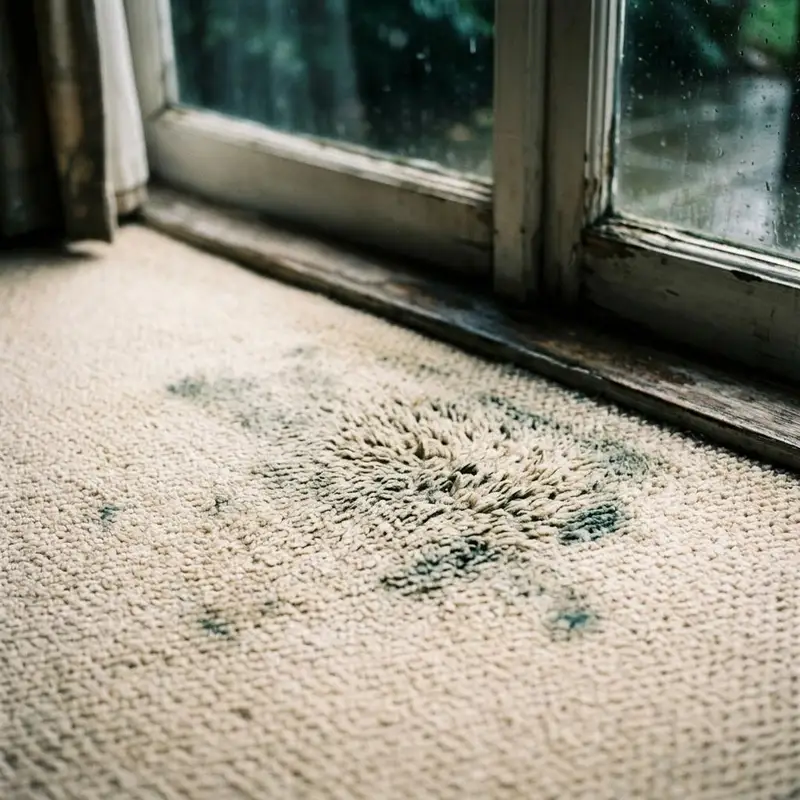
Because the padding is hidden beneath the carpet, the first sign of a problem is often the smell. A musty, earthy odor rising from the floor means mold is already growing in the padding. By the time the odor is noticeable, the mold may have spread to the subfloor or even up into the carpet fibers. This is why moldy carpet cleaning must address both the visible surface and the hidden layer below.
Why Padding Is Harder to Salvage
Restoring a moldy carpet often depends on whether the padding can be dried and cleaned effectively. In most cases, it cannot. Here are the main reasons why the padding is the weak link in any water damage or mold situation.
Absorption and Retention
Padding is engineered to provide cushioning and insulation. That same structure makes it excellent at absorbing and retaining water. Once wet, the padding acts like a reservoir. Even if the carpet fibers are cleaned and dried, moisture from the padding can wick back up into the fibers, re-soiling them and causing the mold to return. This wicking effect is one of the most common reasons why a carpet that looks clean after extraction will show new stains and odors a few days later.
Difficulty of Drying
Drying carpet padding is not like drying a towel in the sun. The padding is sandwiched between the carpet and the subfloor, with very little airflow. Professional drying equipment can pull some moisture out, but the process is slow and often incomplete. If the padding is thick or if the subfloor is cold, moisture can linger for weeks. Mold spores need only 24 to 48 hours of dampness to start growing, so the clock starts ticking the moment water hits the padding.
Contamination Trapping
When water comes from a flood, a sewage backup, or a leak that has been sitting for a while, it carries dirt, bacteria, and organic matter. The padding traps these contaminants in its foam structure. Even if you kill the mold with a biocide, the dead mold spores and the trapped dirt remain inside the padding. Over time, these can break down and release odors or become a food source for new mold growth. Cleaning the surface fibers does nothing to address the contamination locked in the padding.
Structural Integrity
Repeated wetting and drying breaks down the foam in padding. It can crumble, lose its shape, or separate from its backing. Once the padding starts to degrade, it no longer provides the cushioning it was meant to. Walking on a carpet with deteriorated padding feels uneven and can cause the carpet to wrinkle or buckle. At that point, replacing the padding is the only option, and that usually means pulling up the entire carpet.
When Carpet Fibers Can Be Saved
There are situations where the carpet fibers themselves are in good shape and can be cleaned and reused. Synthetic fibers are non-porous, so mold cannot grow inside them. Mold grows on the dirt and dust that sit on the surface of the fibers. If the padding is removed and the subfloor is dried and treated, the carpet can often be cleaned, disinfected, and reinstalled over new padding. This is a common approach in professional mold remediation.
The decision to save the carpet depends on how long the water sat, what kind of water it was, and whether the carpet was glued down or stretched over padding. Glued-down carpets, common in commercial settings, are harder to salvage because the adhesive traps moisture and the carpet is more difficult to remove without damage. Stretch-in carpets with separate padding are more forgiving because the padding can be replaced without destroying the carpet.
Even when the fibers can be saved, the cleaning process is intensive. It involves hot water extraction, antimicrobial treatment, and thorough drying with air movers and dehumidifiers. Simply renting a steam cleaner from the grocery store is not enough. The equipment used by Carpet Mold Removal Services Pros is designed to extract water from deep within the carpet and to dry it quickly enough to prevent mold from returning.
What This Means for Homeowners
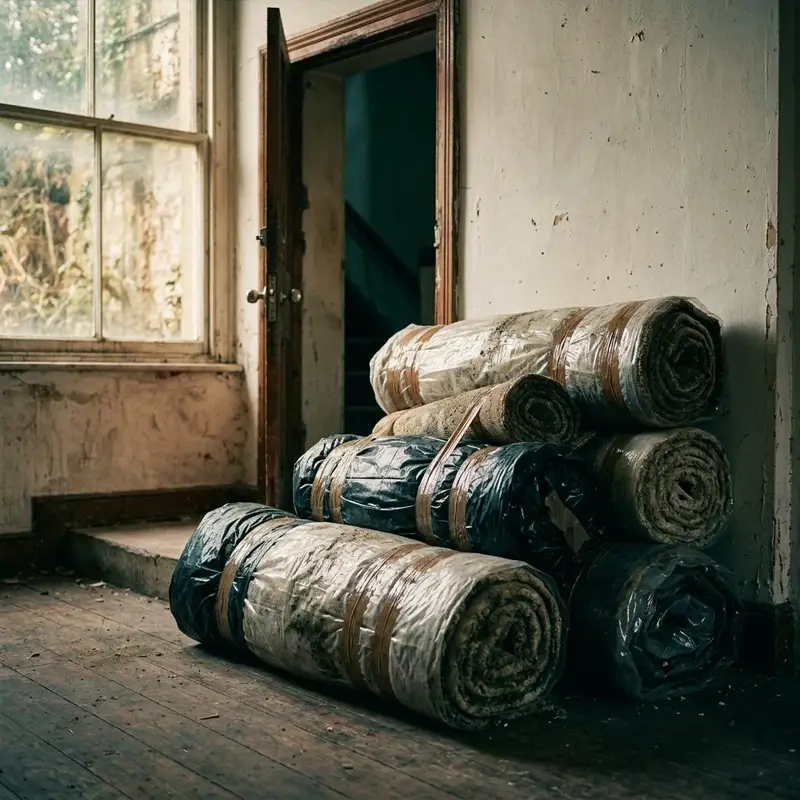
The practical takeaway is straightforward: if a carpet gets wet and stays wet for more than 24 to 48 hours, the padding is very likely compromised. The safest approach is to pull up the carpet and inspect the padding and subfloor. If the padding is wet or shows any signs of mold, it should be removed and replaced. Trying to clean and dry the padding in place is usually a losing battle.
There are some exceptions. If the water was clean, the padding is thin and well-ventilated, and the drying process starts within hours, it might be possible to save the padding. But these situations are rare. Most experts agree that replacing the padding is far more reliable than trying to restore it. The cost of new padding is relatively low compared to the cost of dealing with a persistent mold problem that keeps coming back.
Another consideration is the subfloor. If the padding has been wet for a while, moisture may have transferred to the plywood, OSB, or concrete underneath. Concrete can take months to dry fully, and wood subfloors can warp or develop mold that spreads to the framing. This is why moldy carpet cleaning often leads to a larger restoration project. The visible carpet is just the tip of the iceberg.
How Professionals Approach the Problem
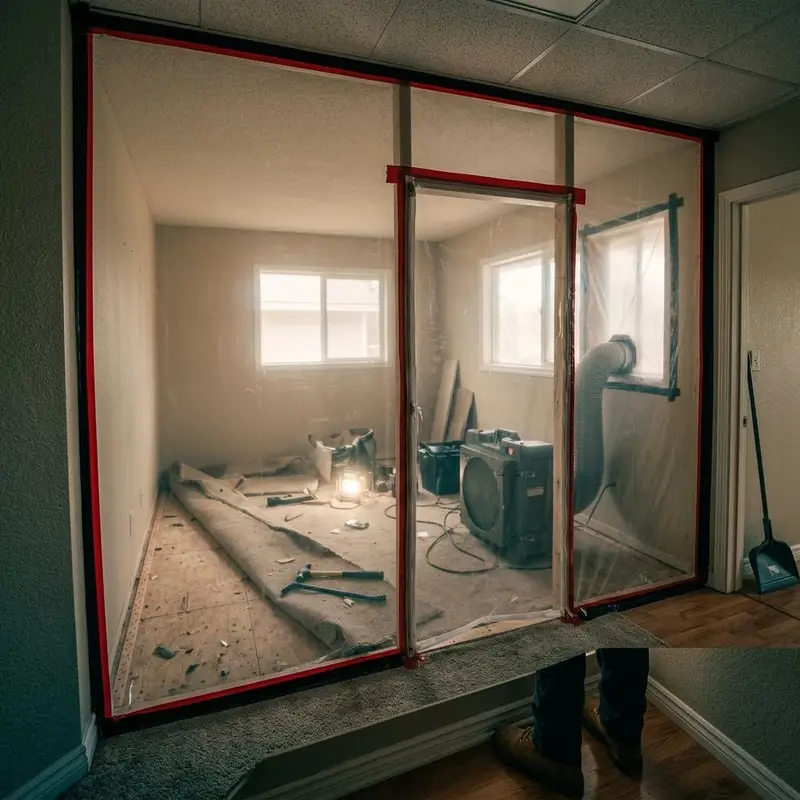
Professional mold remediation follows a sequence. First, the source of moisture is identified and stopped. Then the carpet is pulled back or removed to expose the padding and subfloor. The padding is removed and disposed of in sealed bags to prevent spore spread. The subfloor is dried with commercial-grade equipment and treated with an antimicrobial solution. Once the subfloor is confirmed dry and clean, new padding is installed and the carpet is re-stretched or a new carpet is laid.
If the carpet fibers are salvageable, they are taken off-site or cleaned in place using hot water extraction with a disinfectant. The drying process is aggressive, with high-velocity air movers and dehumidifiers running until moisture meters show the carpet and subfloor are within safe levels. This level of drying is not something a homeowner can achieve with fans and open windows.
Carpet Mold Removal Services Pros understands that the padding is often the hidden culprit behind recurring mold issues. Their approach focuses on removing the contaminated material and drying the structure, not just masking the smell with deodorizers. This is why professional remediation is more effective than DIY attempts that only treat the surface.
Prevention Is Better Than Cure
The best way to avoid the headache of moldy padding is to prevent moisture from reaching the carpet in the first place. Here are a few practical steps:
- Fix plumbing leaks and roof leaks immediately. A small drip can saturate padding within a day.
- Use area rugs in high-moisture areas like bathrooms and kitchens, and avoid wall-to-wall carpet in basements or on concrete slabs without a vapor barrier.
- If a carpet does get wet, act fast. Extract as much water as possible with a wet vacuum, then use fans and a dehumidifier to dry the area. Lift the carpet edges to let air circulate underneath.
- Consider installing carpet over a moisture-resistant padding or a vapor-permeable underlayment in areas prone to dampness.
Even with the best prevention, accidents happen. When they do, knowing that the padding is often the hardest part to salvage can save time, money, and frustration. A thorough inspection of the padding and subfloor should be the first step in any moldy carpet cleaning effort. If the padding is compromised, replacing it is not a shortcut - it is the only reliable solution.
Understanding this distinction between fibers and padding helps property owners make informed decisions. It also explains why professional mold remediation often costs more than a simple carpet cleaning. The extra work goes into addressing the hidden layers where mold thrives. The next time you catch a whiff of mustiness from the floor, remember that the problem may be deeper than the carpet itself.